The main challenge is ensuring that international resources reach the communities and peoples on the front lines of the fight against the environmental crisis in a timely manner. According to InfoAmazonia, only a small fraction of funds is directly allocated to indigenous organizations. In response to this challenge, innovative agreements have emerged to democratize access to resources.
Democratization of Climate Financing: The Challenge of Getting Resources to the Amazon
The partnership between CESE, COIAB, and the Amazon Fund has created an efficient mechanism to allocate 53.8 million reais to indigenous territorial management projects, overcoming bureaucratic barriers to resource access.
These actions are featured on the Comuá pelo Clima platform, which highlights local solutions to the impacts of the climate crisis, such as deforestation and droughts.
The premise of channeling more resources to the territories is also the central axis of Casa Sul Global in its first edition, held in Belém during COP30. The project is designed to support indigenous organizations in the development and implementation of their management instruments, such as territorial monitoring plans, resource protection and management plans, and consultation protocols.
CESE is part of the Comuá Network, a group of independent funds and foundations that support civil society. Jonathas Azevedo, executive director of the Comuá Network, stated that institutional arrangements with independent funds like CESE demonstrate that it is possible to make Amazon Fund resources reach the territories in an agile, efficient, and transparent manner.
Between 2023 and 2024, organizations in the Comuá Network mobilized approximately R$ 450 million to support initiatives of indigenous peoples, quilombolas, traditional communities, and other collectives across all Brazilian biomes, benefiting nearly half a million people.
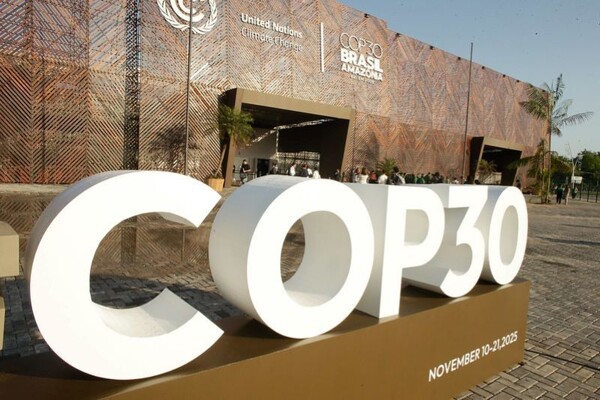
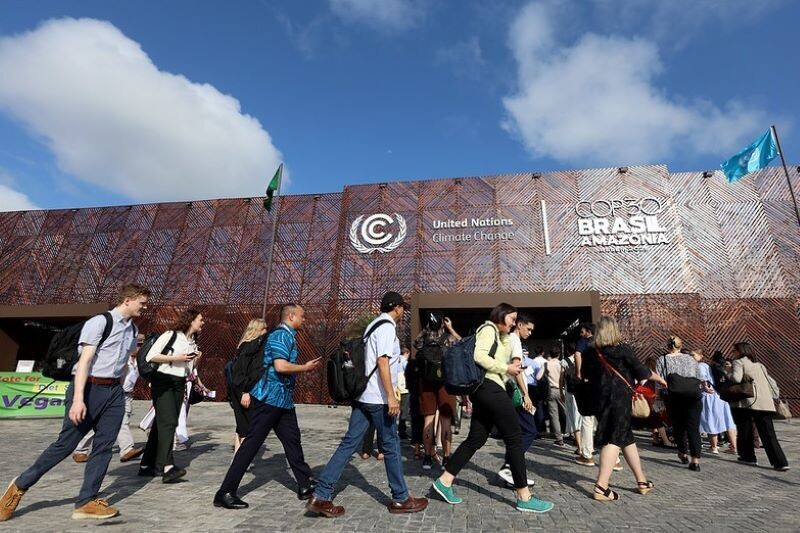
Belém, Brazil. — Recent discussions at COP30, where Switzerland announced a new donation of 33 million reais to the Amazon Fund, have revived the crucial debate on the effectiveness of climate financing.
This platform aims to focus on climate financing flows to the Global South, inviting conventional mechanisms to join this existing architecture that supports solutions from the territories in Latin America, Africa, and Southeast Asia.
Initiatives like these reveal that the most effective way to combat global warming is to strengthen the peoples, communities, and local organizations that have been working on forest care and proposing real solutions for the planet's future for decades.
These documents not only strengthen community organization but also serve as political tools for the protection of their territories.
The Role of Socio-Environmental Philanthropy
Socio-environmental philanthropic organizations, such as CESE, with over 50 years of experience, have demonstrated their ability to ensure that resources reach the communities.
These bureaucratic requirements prevent many grassroots organizations from accessing funds, often due to pending issues from previous administrations or difficulties in accountability.
The collaboration between CESE and COIAB arose to facilitate this access.
A notable example is the partnership between the Ecumenical Coordination of Service (CESE), the Coordination of Indigenous Organizations of the Brazilian Amazon (COIAB), and the Amazon Fund through the Dabucury project – Sharing Experiences and Strengthening the Ethno-Environmental Management of Indigenous Lands in the Brazilian Amazon.
The Dabucury Project: A Bridge to Resource Access
The Dabucury initiative allocates 53.8 million reais to territorial and environmental management projects carried out by indigenous peoples, strengthening the implementation of the National Policy for the Environmental and Territorial Management of Indigenous Lands (PNGATI).
Vinícius Benites Alves, coordinator of the Dabucury project at CESE, explained that the Amazon Fund, administered by BNDES, demands strict requirements such as certificates of legal and fiscal regularity.