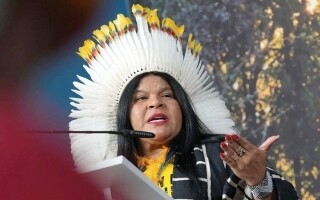
Brazil's first-ever Minister for Indigenous Peoples, Sonia Guajajara, stated that the COP30 conference, which recently concluded in the Brazilian city of Belém, achieved a major success marked by the largest participation of indigenous peoples in the history of climate conferences. She emphasized that protecting indigenous lands is one of the most effective means of addressing the climate crisis.
In an interview with the "Democracia Now!" website, she added that former Brazilian President Jair Bolsonaro was one of the most staunch opponents of indigenous rights during his tenure, stressing the need for justice to take its course with Bolsonaro following his conviction for involvement in an attempted coup against the current government.
Here are excerpts from the interview:
■ What do you expect after the conclusion of COP30?
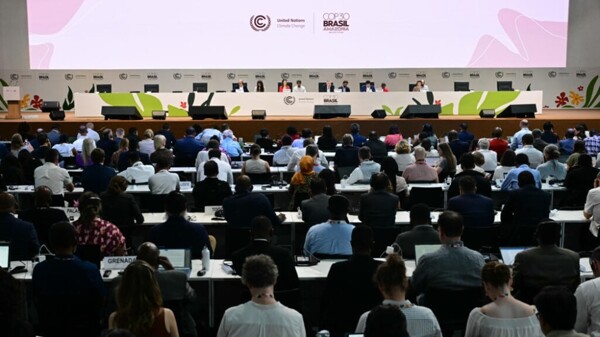
■ The conference achieved a major success: the largest participation of indigenous peoples in the history of climate conferences. This broad presence is, in itself, an important step because it strengthens the leadership role of indigenous peoples and gives weight to their demands.
Expectations now are moving towards the recognition of indigenous lands and the demarcation of their boundaries as an integral part of climate policies. Furthermore, protecting these lands is one of the most effective means of tackling the climate crisis.
■ In recent days, Brazil has recognized new rights for indigenous peoples over their lands. Is this related to the protests that took place last week?
■ This recognition was not the result of a single event but the culmination of significant efforts and coordination between the Ministry of Indigenous Peoples and the National Indian Foundation (FUNAI). These efforts have indeed yielded tangible results, including the demarcation of new land boundaries, alongside a government and international commitment to protect and title 63 million hectares.
The Ministry of Indigenous Peoples will be responsible for protecting or titling 59 million hectares of these areas.
■ President Luiz Inácio Lula da Silva approved studies for oil exploration off the Amazon coast, which has drawn widespread criticism from environmental advocates. What is your comment as the minister representing indigenous peoples?
■ What was approved is not oil exploitation but studies to assess the potential impacts of any oil activity in that sensitive region. It is important to note here that President Lula announced during the conference a phased plan to phase out oil, aiming to find real alternatives that allow for a transition away from fossil fuels.
■ Do you believe that the president's plan for a gradual phase-out of fossil fuels can be implemented?
■ This path is full of challenges and is by no means easy, as there is strong opposition from some economic sectors that resist change.
■ Latin America has the highest rates of violence against defenders of indigenous lands worldwide. How is President Lula addressing this issue?
■ The government has finally launched a national plan to protect human rights defenders and is also seeking to ratify the Escazú Agreement. The Chamber of Deputies has already approved it, and it now awaits Senate approval.
■ You and many indigenous leaders courageously confronted former President Bolsonaro. What is the significance of his trial and imprisonment for indigenous peoples?
■ Bolsonaro's term was one of the most difficult periods for indigenous peoples, not only due to his neglect of their issues but also his handling of the COVID-19 pandemic. He not only failed to support them but also took actions that directly harmed them. Their rights were violated and seized. Indeed, that period was extremely harsh, but indigenous peoples faced these circumstances with unity and organization. Today, after Bolsonaro's trial and conviction for his involvement in an attempted coup against the current government, we await the full realization of justice and for him to be held accountable for all he committed against indigenous peoples.
Source: "Democracia Now!" website