Porto Alegre, the capital of Rio Grande do Sul state in Brazil, was the stage for the First International Antifascist Conference, held from March 26 to 29. The event brought together thousands of activists, social, union, and political organizations from around the world under anti-imperialist and anti-extreme right-wing banners.
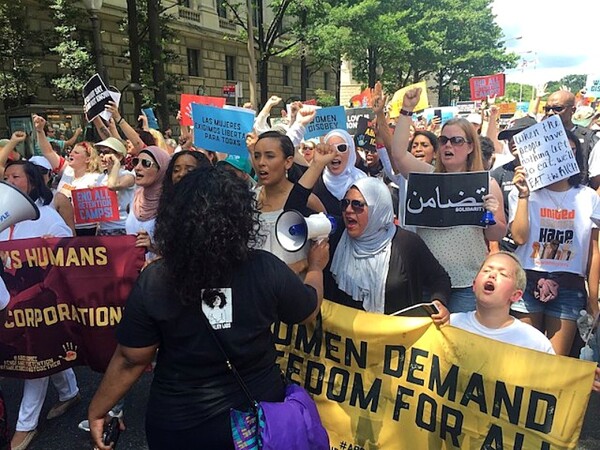
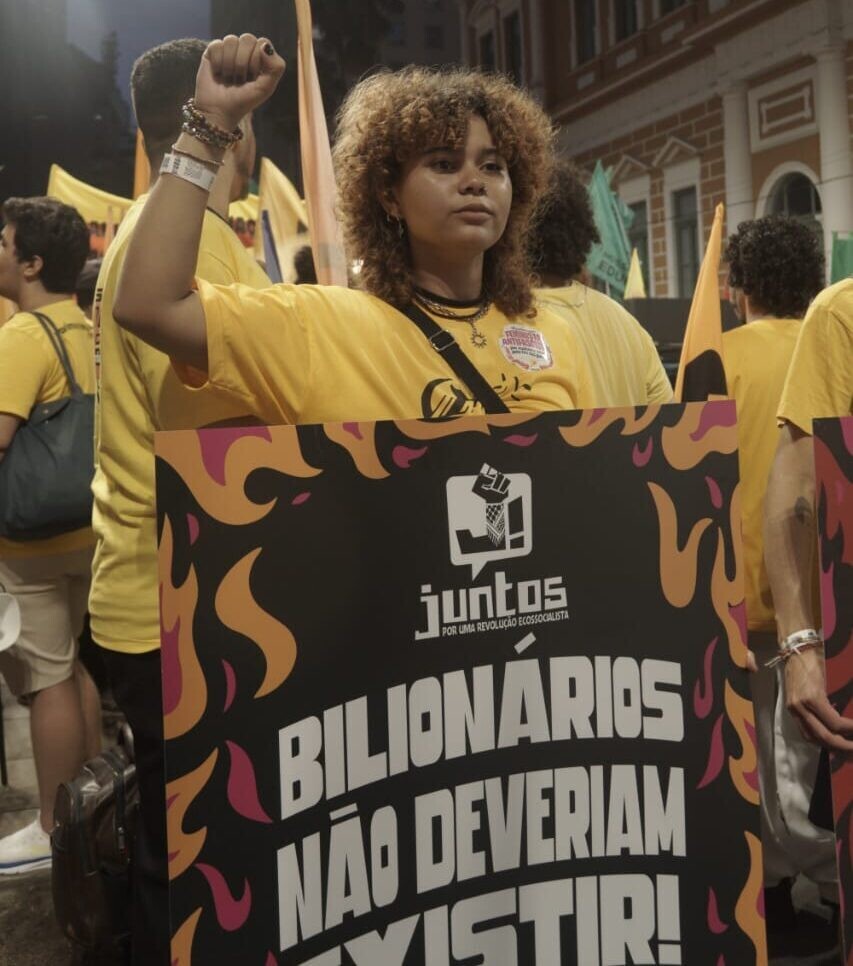
The kick-off was a massive march through the city center on March 26, where columns from different countries filled the streets with banners and slogans against fascism and war. The conference featured delegations from over 90 countries, consolidating an international space for articulation.
After four days of debates and multiple exchanges, participants committed to battling fascism and promoted an antifascist meeting in Argentina for the year 2027.
Among the main resolutions were: the creation of an international antifascist articulation space; the push for regional conferences, including a possible venue in Argentina; support for the Palestinian cause and initiatives like the Global Sumud Flotilla; solidarity with Cuba against the U.S. blockade; rejection of aggressions against Iran and Venezuela; and backing for self-determination struggles in territories like Western Sahara and Puerto Rico.
The Palestinian cause was one of the central axes of the conference. The Palestinian ambassador to Brazil, Marwan Jebril, emphasized the importance of placing the Palestinian cause on the global agenda. At a specific panel held at the Federal University of Rio Grande do Sul, with a hall filled with over a thousand people, the continuity of genocide and ethnic cleansing was denounced. Figures such as Ualid Rabah, from the Palestinian Arab Federation of Brazil, pointed to the role of the United States in the region and defined Zionism as "the cruelest face of fascism," while journalist Breno Altman stated that Israel functions as "a bridgehead for imperialism."
The growth of the Boycott, Divestment, and Sanctions (BDS) movement was also highlighted, present in more than 40 countries, with concrete experiences such as the breaking of agreements between Brazilian universities and Israeli institutions.
One of the highlighted debates was the panel on "experiences of deepening democracy," in which Fernando Rojas, director of the Casa de las Américas, participated. Rojas stated that fascism today presents itself as a tool for capital to sustain its dominance and warned about the advance of nationalist discourses and the construction of internal enemies, particularly in the United States. In this context, he noted: "Combating fascism passes through popular empowerment." He also stressed the importance of concrete solidarity with Cuba against the blockade, questioning the lack of material actions by regional governments.