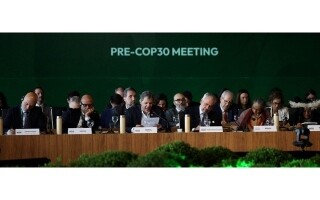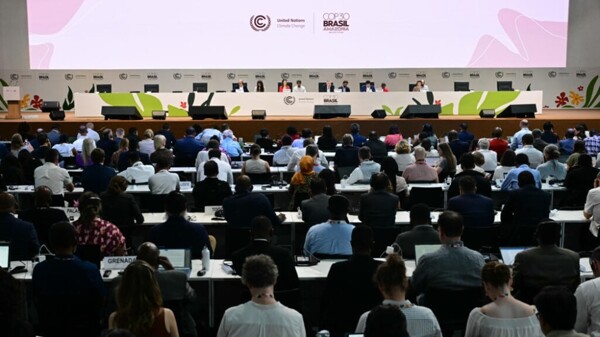
The United Nations Climate Change Conference (COP 30), organized by the UN, is the world's largest event for discussing and negotiating the consequences of climate change. It will take place from November 10-22 in Belém, Pará, Brazil. This meeting is being held in one of the places most affected by the modern capitalist mode of production, highlighting the paradoxical nature of the situation. The UN has acknowledged that decisions made under the United Nations Framework Convention on Climate Change often contradict global climate goals, which demand a drastic reduction in emissions. While countries discuss ways to exit the crisis, the President of Brazil, Lula, has authorized oil exploration at the mouth of the Amazon River, which could lead to catastrophic environmental consequences.
Despite slow progress in phasing out fossil fuels, the COP 28 in 2023 approved a roadmap for their reduction. Agreements were also reached to triple renewable energy capacity and double energy efficiency by 2030, and a fund was established to address loss and damage caused by climate change. However, many countries continue to heavily invest in coal-fired power plants, especially in Asia.
According to research, two-thirds of all CO₂ emissions since the Industrial Revolution come from just 180 companies, 11 of which no longer exist. Among the main culprits are the world's largest energy companies, including Saudi Aramco, Exxon, Shell, Coal India, Gazprom, and China Energy. In 2023, 169 active companies in the database were responsible for 78% of global fossil fuel CO₂ emissions. Half of these emissions come from just 36 companies, mostly state-owned.
Despite growing criticism, giants like Saudi Aramco, ExxonMobil, Shell, Chevron, BP, and TotalEnergies have not responded to requests for comment. Some legal groups are even studying the possibility of initiating criminal proceedings against executives in the oil and gas industry. The European Parliament has declared a climate emergency, and in the US, the states of New York and Vermont have passed laws holding fossil fuel companies financially liable for damages caused by climate change.
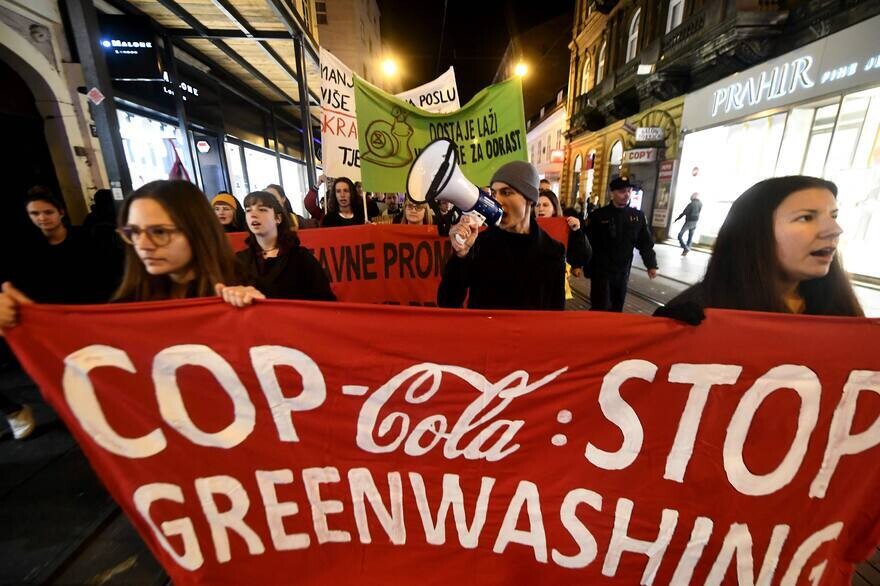
Parallel to the official COP 30, the 'People's Summit' (Cumbre de los Pueblos) will be held, bringing together organizations from over 500 countries. This event will serve as a platform for discussing popular sovereignty over energy resources and building an alternative to the capitalist system. As part of the summit, various meetings will be held, including the IV International Meeting of Communities Affected by Dams and the II Latin American and Caribbean Eco-socialist Forum. Participants plan to hold a unified march on November 15 to protest the climate crisis.