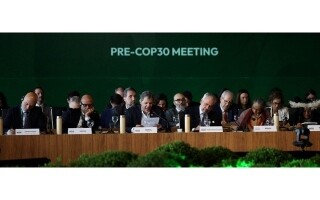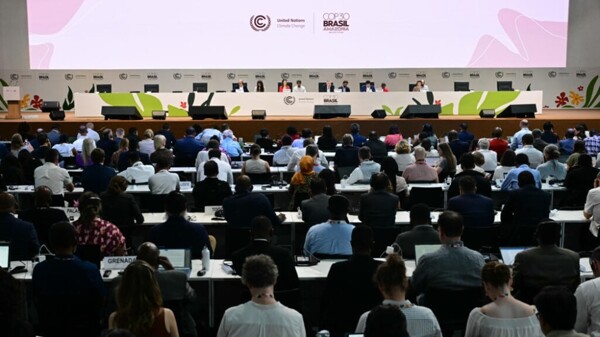
The UN climate summit (COP30) in Belém, Brazil, is experiencing tension as developing nations demand the inclusion of a formal discussion on the financial responsibility of rich countries. The Brazilian presidency of the conference opened informal consultations on Monday to decide on the agenda, which requires consensus. After several days of talks, no agreement has been reached due to opposition from developed nations, and tensions are rising. On Friday, COP30 President André Corrêa do Lago announced a final round of informal consultations on Saturday morning before reporting on the conclusions in the plenary. However, a Latin American negotiator, speaking on condition of anonymity to EFE, stated that «there is no common ground» and sees a solution as «complicated». She compared the division in the room to a corn cob whose grains have been scattered. The Like-Minded Developing Countries (LMDC) group, which includes China, India, and Venezuela, along with African nations, are among the strongest advocates for including this topic in the negotiations. «If we do not reach an agreement in the consultations, we will not have a successful COP,» stated a representative of Ghana during a previous meeting. For developed nations, the issue of financing was already discussed and settled last year at the COP in Baku, where the target of providing $300 billion annually for climate action in the poorest nations was established. Although this figure is considered insufficient by the Global South, their negotiators aim not to revise the target but to better define the responsibility of rich countries. For example, they want the majority of the financing to be public, in the form of grants or low-interest loans, to avoid increasing the debt burden.