Brazilian exports to Argentina grew by 100.9%, totaling 295,258 units, an increase driven by the current bilateral automotive agreement.
Despite the strong performance in foreign trade, Brazil's national vehicle production accumulated a decline in 2025: manufacturing fell by 8.2% between January and November compared to the same period in the previous year. During the results presentation, Igor Calvet, president of Anfavea, admitted that the association no longer expects to meet its annual goal.
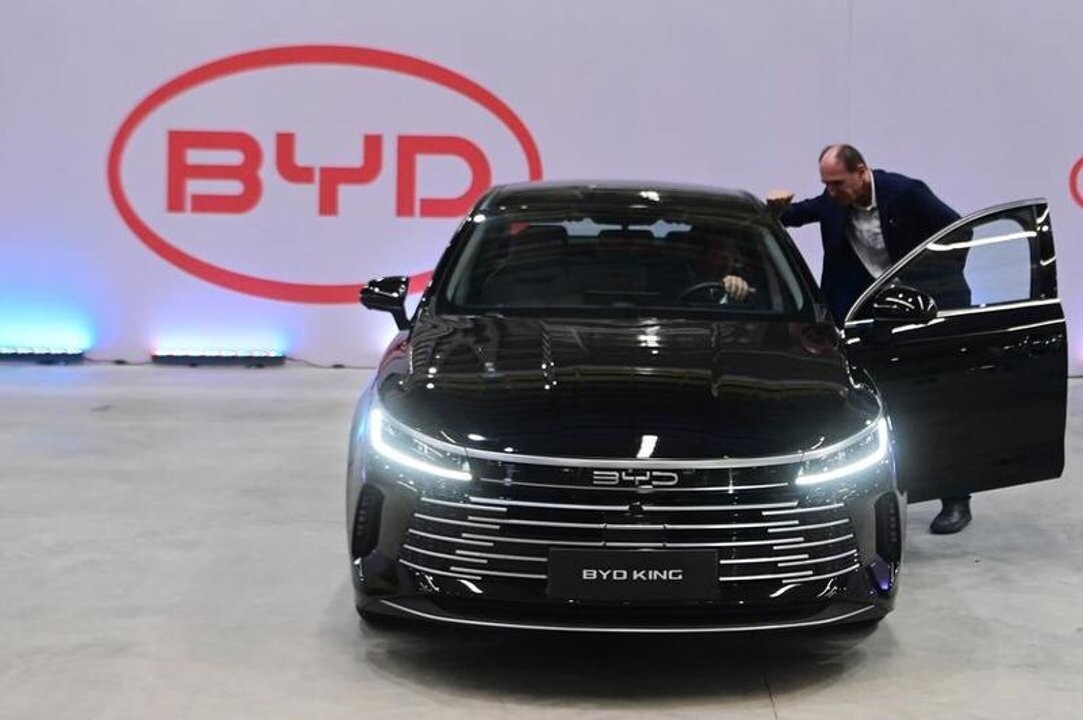
According to the National Association of Vehicle Manufacturers (Anfavea), as reported by the Argentine News Agency, imports of vehicles from Chinese brands into Brazil experienced an explosive growth of 53.1% in the first eleven months of 2025 compared to the same period in 2024. With a total of 161,952 units shipped between January and November, China consolidated its position as the supplier with the greatest advancement in the largest automotive market in Latin America.
This Chinese growth contrasts with the performance of Brazil's second-largest supplier, Argentina, which exported 181,854 vehicles, representing an annual decrease of 8.4%. Conversely, vehicle trade between the two MERCOSUR partners showed favorable dynamics for Brazil. This policy makes credit more expensive, and consequently, the purchase of durable goods such as cars.
Calvet highlighted the difference in rates: in November 2024, the benchmark rate was 11.3%, while today it stands at 15%. On a positive note, the domestic market showed signs of recovery in November, recording the best sales performance of the year, although the daily average of 12,600 units is still below the 2024 level.
"Our projection at Anfavea for this year was a 7.8% increase in production... This projection will probably not materialize, given the cumulative results through November," stated Calvet. The president of Anfavea attributed much of the slowdown to the interest rate hikes implemented by the Central Bank between 2024 and 2025 to contain inflation.